Music Rights
What Does “Sync” Mean?
Understand sync licensing, composition and master rights, and how to prepare your music for film, television, commercials and other visual content.
What Does “Sync” Mean?
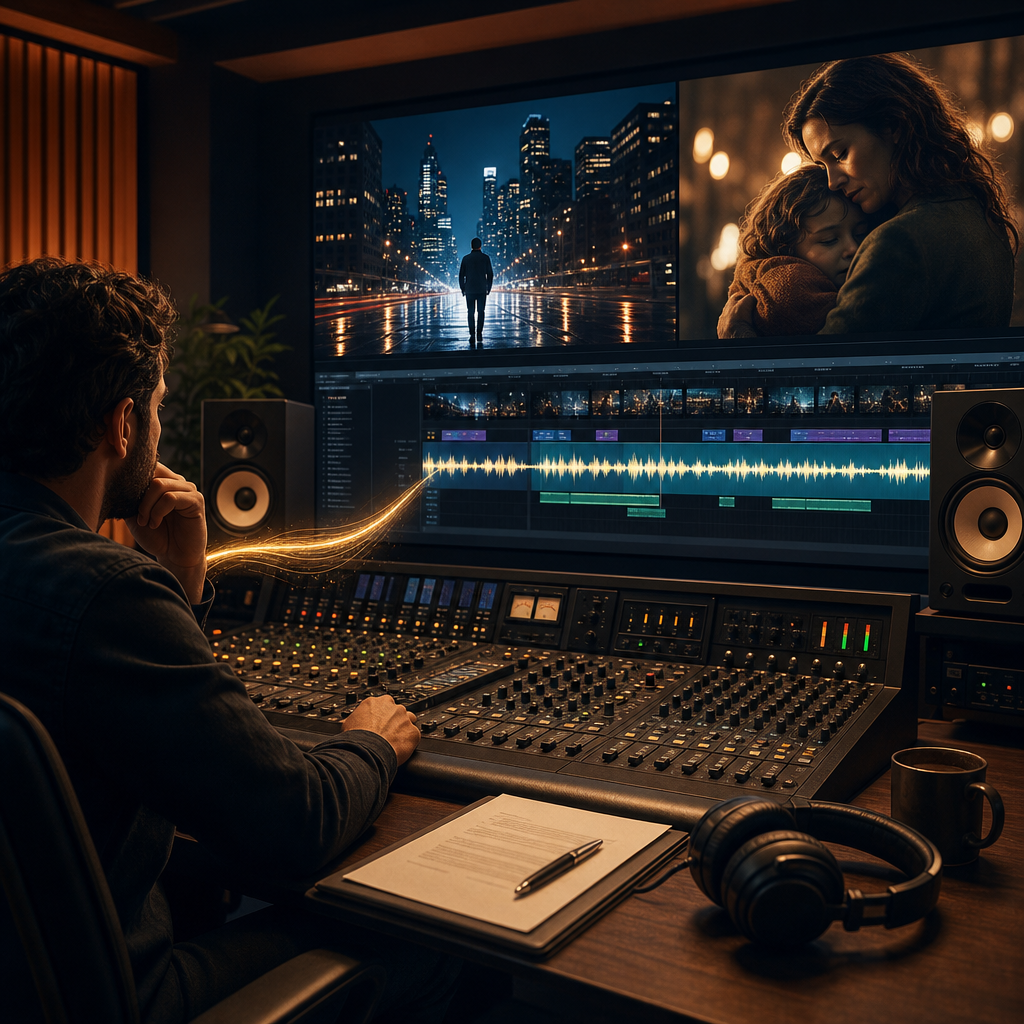
Sync is short for synchronization. A sync license gives someone permission to use a musical composition alongside visual content, such as a movie, television show, commercial, video game, trailer, or online video. If the project uses your existing recording, the producer generally also needs permission to use that recording, often called a master use license. For example, if a filmmaker wants to use your recorded song in a scene, they typically need to clear rights to both the composition and the sound recording.
Why Sync Licensing Matters for Independent Artists
A sync placement can put your music in front of people who might not otherwise discover it. It can also create an additional source of income and introduce your work to music supervisors, producers, and other industry professionals. Depending on the agreement and how the music is used, compensation may include an upfront licensing fee and, in some circumstances, performance royalties. Fees and royalties are not guaranteed; they depend on the project, the rights involved, and the terms of the agreement.
Understand the Two Main Music Rights
Before pursuing sync opportunities, it helps to understand the difference between these two rights: The composition: The underlying song, including its music and lyrics. Songwriters and music publishers may own or control these rights. The master recording: The specific recorded performance of the song. The artist, record label, or another party may own or control the master. If you collaborate with other songwriters, producers, or musicians—or if your song contains a sample—make sure you understand who owns what and whose permission is required. Unclear ownership or an uncleared sample can delay or prevent a placement.
How Can You Prepare Your Music for Sync?
Being prepared can make it easier to respond when an opportunity comes your way. Start with these steps: Confirm your ownership and splits. Keep written records of everyone who contributed to the song and their agreed ownership percentages. Know who can approve a license. Identify the people or companies that control the composition and master recording. Clear any samples. Make sure you have the necessary permissions before pitching music that uses someone else’s work. Organize your files. Keep high-quality versions of your songs, including instrumentals when available. Include accurate song information. Keep track of song titles, writers, contact details, ownership information, and lyrics. Review every agreement carefully. Understand how the music will be used, how long the license lasts, where it applies, and how you will be paid.
Key Takeaways
- Sync licensing connects music with visual content such as films, television shows, commercials, and online videos.
- A project using your recording generally needs permission for both the composition and the master recording.
- Placements may provide income, exposure, and new industry connections.
- Clear ownership, organized files, and an understanding of your rights can help you prepare for opportunities.
Ready to Learn More?
Your music is more than a creative expression—it is also part of your business. Understanding how to protect, manage, and create opportunities for your work is an important step toward building a sustainable career.
For more questions, answers, and strategies to help you take control of your music career, visit the CHI Entertainment Network store and explore Series 3: The Independent Artist Playbook.
Have questions or want to learn more about the resources available through our network? Contact us directly at info@chientertainmentnetwork.com.
CHI Entertainment Network Discover. Learn. Connect. Elevate.
CHI Entertainment Network provides general educational information and does not provide legal, tax, financial or professional advice.